
Table of Contents
The Future of AI Video Production: Combining Automation and Human Creativity
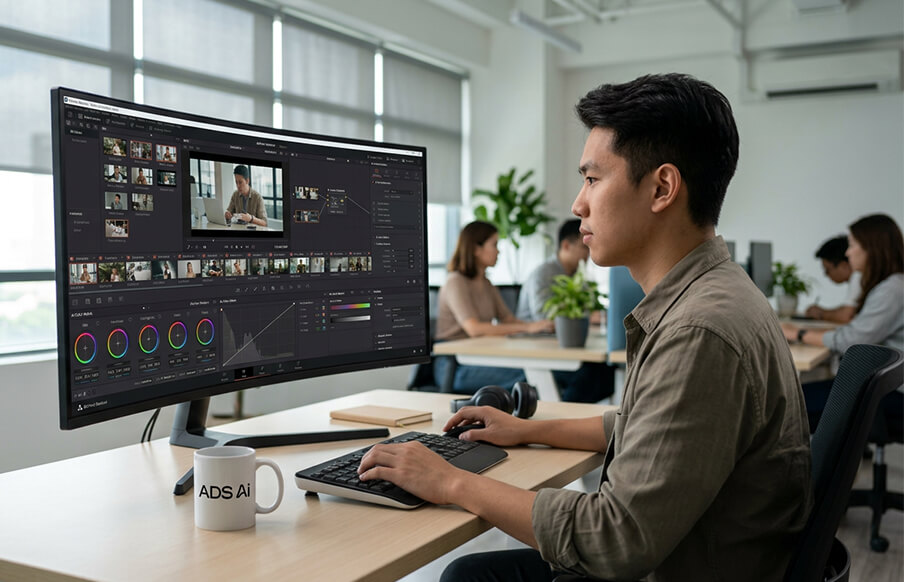
AI video editing is no longer just a trend—it’s reshaping how videos are planned, created, and scaled. From automating tedious editing tasks to generating entire videos from prompts, artificial intelligence is redefining the production workflow.
Traditional video production is often slow, expensive, and difficult to scale. AI changes that by enabling faster turnaround, lower costs, and more efficient content creation.
What Is AI Video Editing?
AI video editing leverages machine learning algorithms and generative AI to automate the post-production workflow, reducing manual labor while increasing output quality.
Modern AI tools can:
- Automated scene detection and smart trimming for faster rough cuts
- AI-driven speech-to-text for instant subtitles and realistic AI voiceovers
- Enhance visuals with color grading
- Generate scenes from prompts
AI systems learn from large datasets and adapt based on user preferences, making editing faster and more personalized.
How AI is Transforming Video Production
Why AI Video Editing Is Growing Rapidly
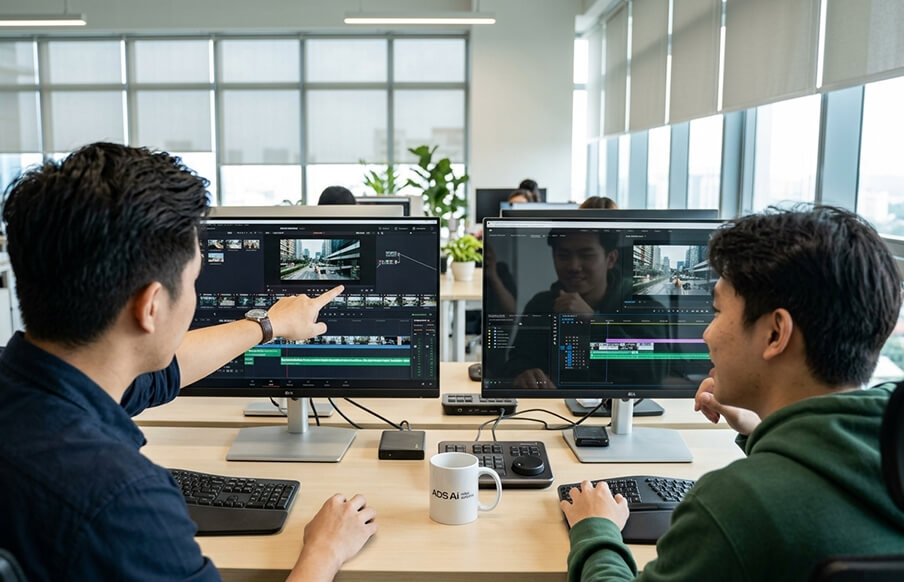
The rise of AI-powered video editing tools is driven by three major factors:
1. Explosive Demand for Video Content
Short-form and long-form videos dominate digital consumption. Brands and creators must produce more content, more frequently.
2. Increasing Production Costs
Traditional video production requires large crews, expensive equipment, and long timelines—making it less sustainable.
3. Need for Speed and Scalability
AI enables rapid iteration, allowing creators to produce multiple versions of content for testing and optimization.
How AI Is Transforming Video Production
Artificial intelligence is now embedded across every stage of the production pipeline.

How AI Is Transforming Video Production
Artificial intelligence is now embedded across every stage of the production pipeline.
AI in Pre-Production: Faster Planning and Visualization
AI tools help creators prepare content before filming even begins by:
- Generating storyboards instantly
- Building 3D environments and virtual sets
- Simulating camera movements and shot compositions
This reduces uncertainty and significantly cuts down production time.
AI in Post-Production: The Biggest Breakthrough
The most impactful use of AI video editing software is in post-production.
AI can:
- Automated video editing software features like smart-cut and multi-cam synchronization
- Apply visual effects and enhancements instantly
- Clean up audio, sync dialogue, and generate voiceovers
- AI video upscaling to transform low-resolution footage into 4K quality
What once required hours—or even days—can now be completed in minutes.
Real-World Benefits of AI Video Editing
Businesses, agencies, and creators are already seeing measurable gains:
- Cost Efficiency – Reduce reliance on large production teams
- Faster Turnaround – Deliver content in days instead of weeks
- Creative Flexibility – Instantly modify scenes, styles, or formats
- Scalable Content Creation – Produce high-volume content for multiple platforms
AI is not just a tool—it’s a competitive advantage.
AI Video Editing vs Human Creativity
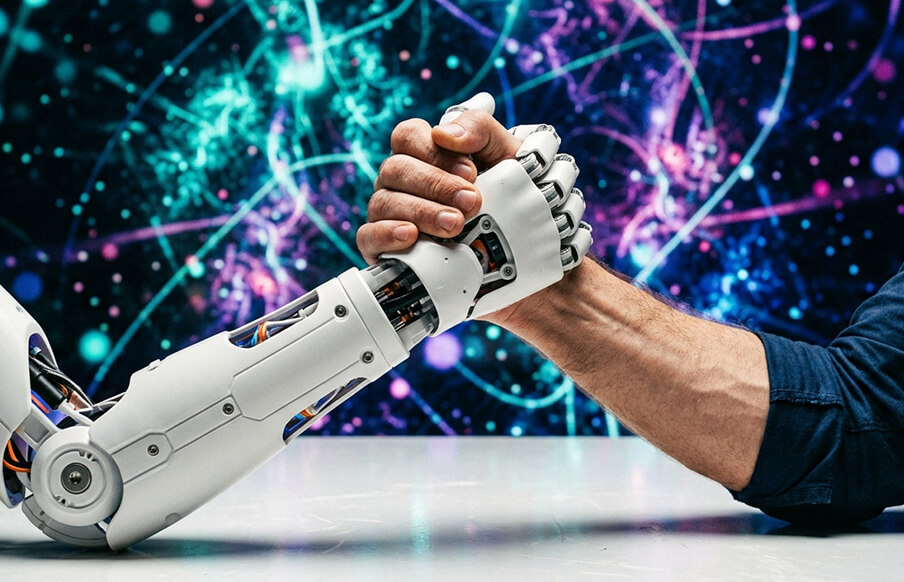
While AI enhances efficiency, it does not replace creativity.
Human creators still lead in:
- Storytelling and emotional depth
- Cultural nuance and brand voice
- Creative direction and originality
The future of video production lies in AI-assisted creativity, where humans and technology work together to produce better content, faster.
Challenges and Ethical Considerations
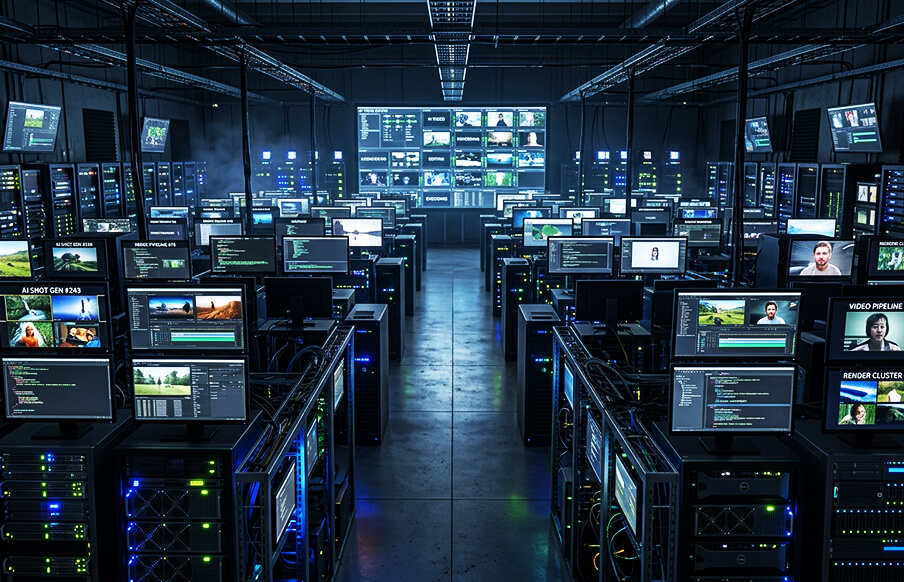
As AI becomes more accessible, the industry faces important questions:
- Will AI reduce job opportunities in video production?
- How should ownership of AI-generated content be defined?
- What safeguards are needed to prevent misuse?
Clear regulations and ethical frameworks will be essential as AI adoption grows.
The Future of AI Video Editing
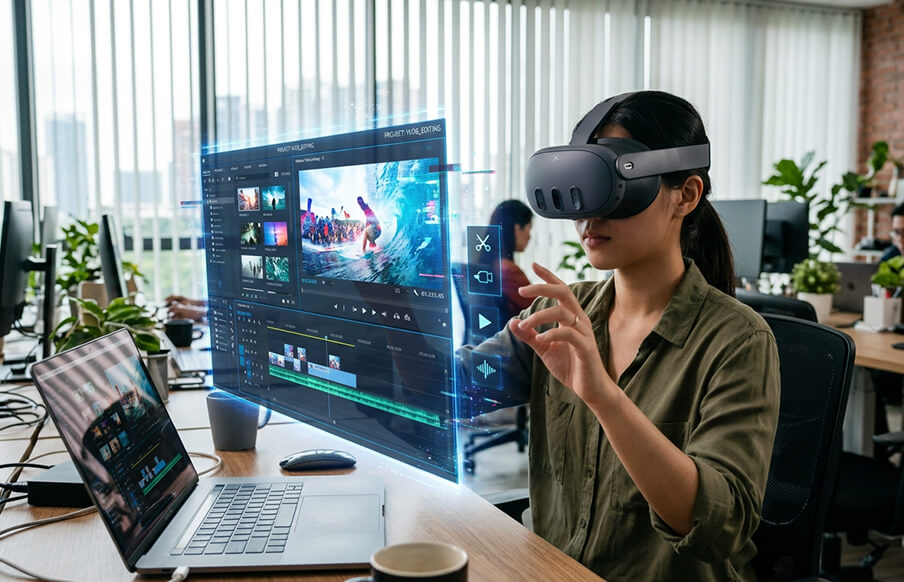
Looking ahead, AI will continue to evolve and integrate deeper into creative workflows.
We can expect:
- Fully automated editing pipelines
- Hyper-personalized video content at scale
- Real-time AI video generation
- Seamless integration with social and marketing platforms
Creators who embrace AI early will gain a significant edge in the content economy.
Final Thoughts: Embracing the AI Video Revolution
AI video editing is transforming how content is created, but the core of great video remains unchanged—powerful storytelling.
By combining human creativity with AI efficiency, brands and creators can unlock new levels of speed, quality, and innovation.