AI in Creative Design: Top Tools & The Human Role in 2026
Share:
March 19, 2026
Table of Contents
The Shift from Manual Design to AI-Assisted Workflows
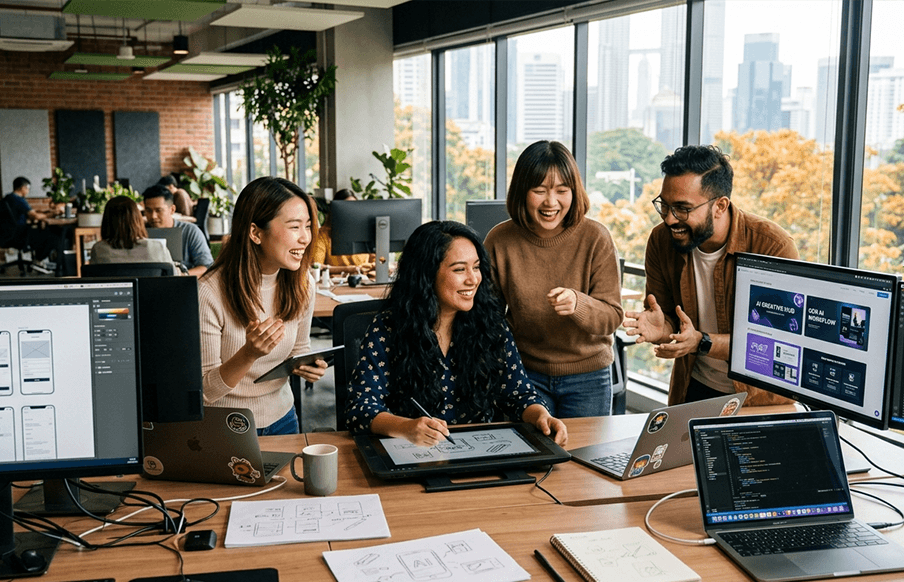
In 2026, the role of AI in creative design has evolved beyond traditional tools and processes. Artificial intelligence is now deeply embedded in everyday workflows, changing how designers approach their craft.
Instead of spending hours on repetitive production tasks, designers can now rely on AI to handle execution—whether it’s generating visuals, refining layouts, or suggesting colour combinations. This shift allows creatives to spend more time on concept development and strategic thinking.
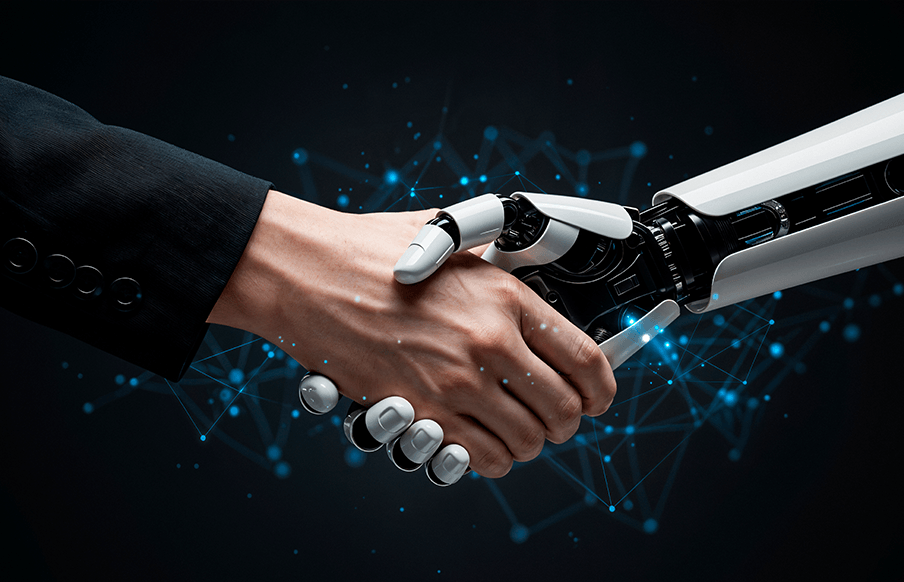
AI is not replacing designers—it is redefining their role.
Essential AI Design Tools You Need Today
The modern toolkit for AI in creative design now includes a range of powerful platforms that support different parts of the creative process:
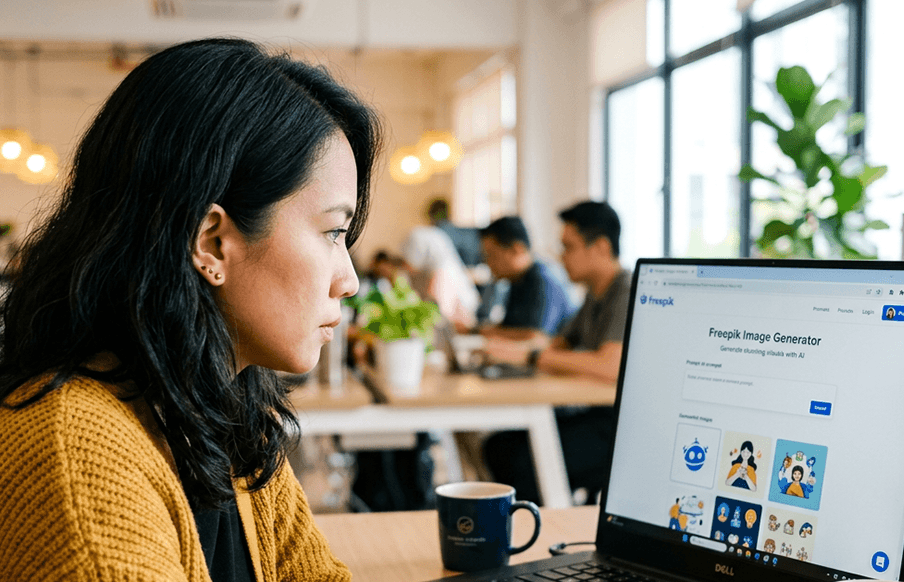
Freepik AI Suite – A versatile platform that enables rapid creation of visual and multimedia content, including images, videos, and mockups.
Midjourney – Widely used for producing stylised, high-impact visuals that are ideal for branding and concept exploration.
Suno AI– Allows creators to generate original music and audio instantly, making it easier to pair visuals with engaging soundtracks.
Claude – Helps designers organise ideas, conduct research, and develop UX or content strategies.
AI assistants such as ChatGPT and Grok further enhance productivity by supporting brainstorming and content generation.
While these tools are powerful, they still require human direction to ensure outputs are meaningful and aligned with brand identity.
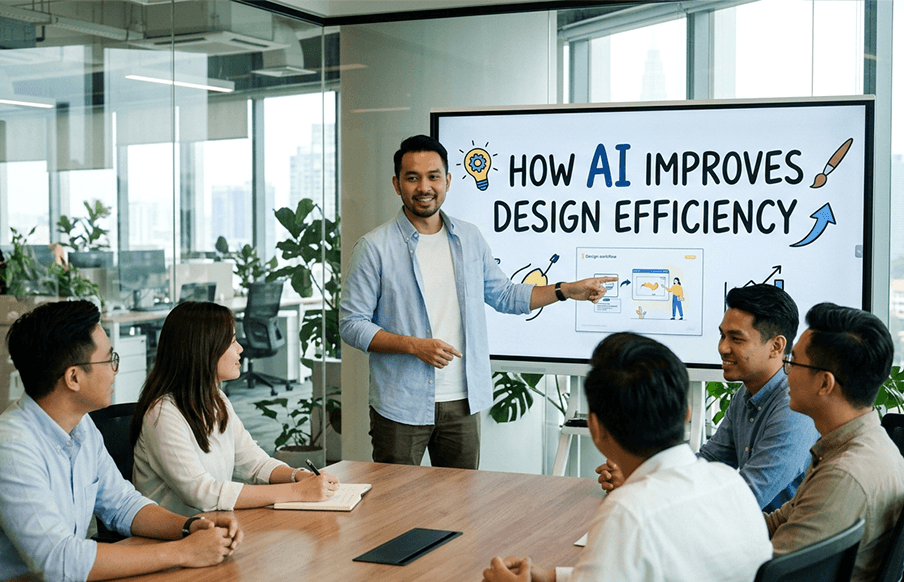
How AI Improves Design Efficiency
Accelerated Idea Generation
Designers can now produce and test multiple concepts within minutes, enabling faster exploration of creative directions.
Reduced Manual Work
Routine tasks like image cleanup, layout adjustments, and colour corrections are handled automatically.
Easy Content Adaptation
Designs can be quickly modified to suit different platforms, audiences, or campaign formats.
Consistency and Quality Control
AI can identify design inconsistencies and help maintain visual balance across projects.
By utilizing AI in creative design, designers can handle higher workloads while maintaining strong output quality.
How AI in Creative Design is Transforming Video Production
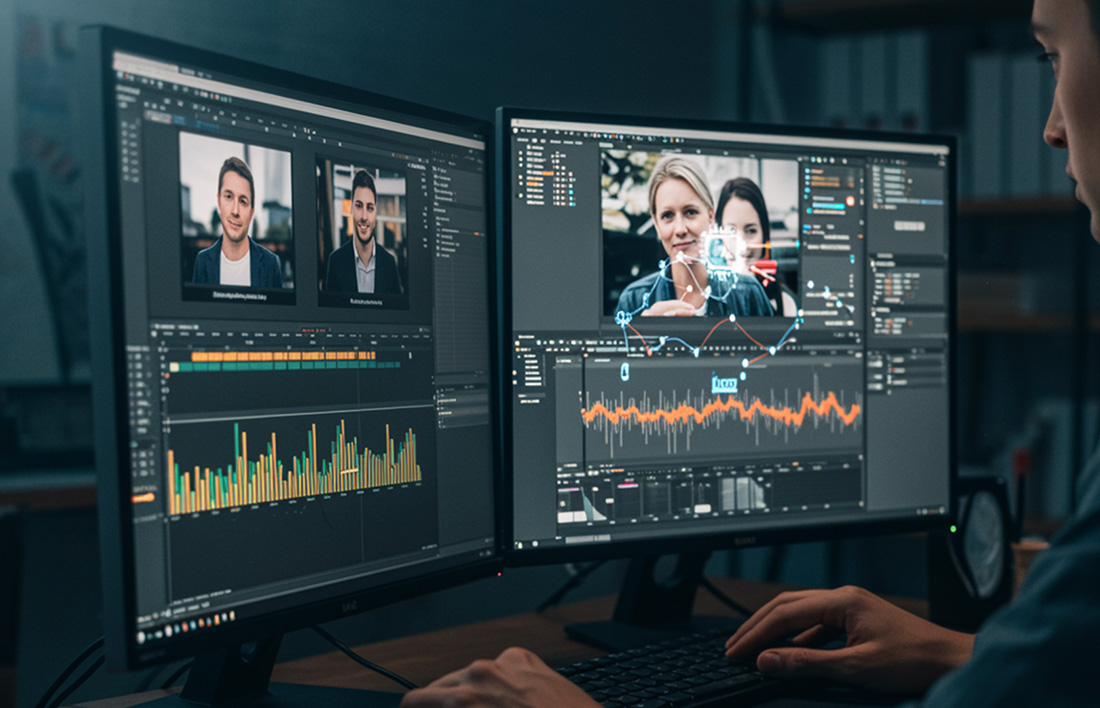
While much of the conversation around AI in creative design focuses on static imagery, its impact on video production is just as revolutionary. Creating high-quality video content traditionally required extensive hours of storyboarding, shooting, and post-production editing. Today, AI-powered workflows are drastically reducing that timeline.
By utilizing advanced video motion techniques and AI generation, creators can now conceptualize and produce dynamic visual narratives in a fraction of the time. AI assists in everything from generating hyper-realistic B-roll footage to automating complex motion tracking and color grading. This means brands can launch video marketing campaigns faster without sacrificing cinematic quality. As these technologies continue to advance, integrating AI into video strategies is no longer just a shortcut—it is becoming the industry standard for remaining competitive in digital storytelling.
The Limits of AI in Creative Design
Despite its advantages, AI has clear limitations when it comes to true creativity.
Human designers bring emotional depth, cultural understanding, and storytelling—qualities that AI cannot genuinely replicate. While AI generates based on patterns, humans create based on insight and experience.
Strategic thinking is another key difference. Designers must interpret brand values, audience behaviour, and campaign objectives—areas where human judgement remains essential.
Without this layer of thinking, AI-generated designs risk feeling generic and lacking personality.
A Smarter Approach: Working with AI, Not Against It
The most successful professionals using AI in creative design are those who treat the technology as a partner rather than a replacement.
By combining human ideas with AI-generated outputs, designers can move faster while maintaining originality. AI can be used to explore variations and execute tasks, while humans focus on refining concepts and ensuring alignment with brand goals.
This collaborative approach leads to more efficient workflows and stronger creative outcomes.
Conclusion: Redefining Creativity in 2026
The rise of AI in creative design is reshaping the landscape by making work faster and more accessible. However, the value of design still lies in human input—ideas, emotion, and meaning.
As the industry continues to evolve, the designers who stand out will be those who know how to balance both—leveraging AI for efficiency while bringing a human perspective to every project.
Because in the end, technology can assist the process… but creativity is what makes the work truly impactful.