
AI Smart Tools are becoming an essential part of modern video editing and post production

AI Smart Tools are redefining how videos are produced, edited, and delivered. As demand for video content continues to rise, creators are turning to AI-powered editing tools to speed up workflows, reduce costs, and enhance creative output.
From automating repetitive tasks to improving visual and audio quality, AI is becoming an essential part of modern post-production. One of the biggest advantages of AI Smart Tools is their ability to analyse large amounts of data and generate content recommendations in real time.
What Is AI Video Editing?
AI video editing refers to the use of machine learning and automation tools to streamline and enhance AI video editing refers to the use of machine learning and automation to assist or replace manual editing processes. These tools analyse footage, audio, and visual patterns to perform complex tasks in seconds—tasks that traditionally required hours of manual work.
This allows editors and creators to focus more on storytelling, pacing, and creative direction instead of technical execution.
Key AI Video Editing Features Changing the Industry
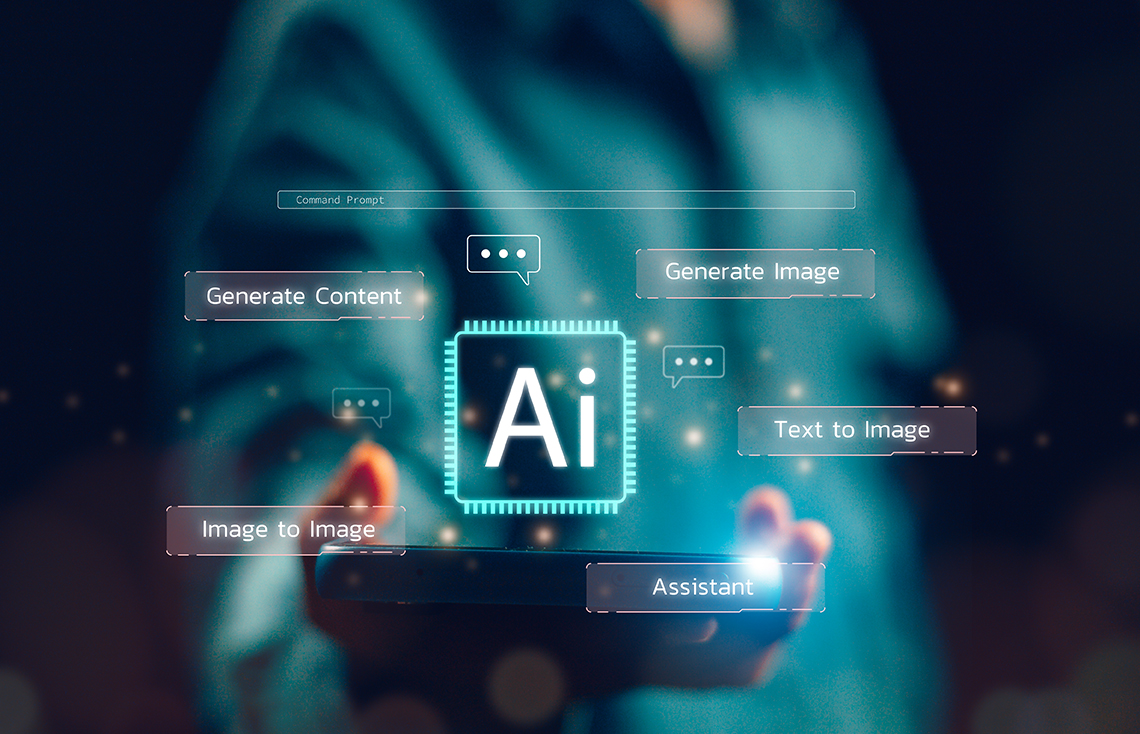
1. AI Object Removal and Scene Enhancement
Software like Adobe After Effects can automatically remove unwanted objects from video footage and intelligently reconstruct the background.
Instead of manually editing frame by frame, creators can:
- Clean up distractions in scenes
- Fix production mistakes
- Modify visual elements with minimal effort
This significantly improves efficiency while maintaining a natural, polished result.
2. Automatic Subtitles and Video Transcription
AI-powered transcription tools like VEED.io can convert speech into text with high accuracy.
Key capabilities include:
- Real-time subtitle generation
- Multi-speaker recognition
- Automatic syncing with dialogue
This is especially valuable for social media content, corporate videos, and multilingual audiences.
SEO keywords: AI subtitles, video transcription tools, automatic captions
3. AI Colour Grading and Visual Consistency
Colour grading plays a crucial role in setting the tone of a video. With applications like DaVinci Resolve can now analyse footage and apply consistent colour corrections automatically.
Benefits include:
- Matching colour tones across clips
- Enhancing skin tones naturally
- Applying cinematic styles instantly
This reduces manual work while ensuring a professional visual finish.
4. Smart Scene Detection and Automated Editing
AI can detect scene changes, cuts, and transitions within raw footage automatically.
This enables:
- Faster rough cuts
- Easier navigation of long footage
- Efficient timeline organisation
Some systems like OpusClip can even suggest the best clips based on motion, composition, and facial expressions—helping editors build stronger narratives faster.
5. AI-Powered Audio Enhancement
Audio quality is critical in video production, and AI softwares like Audo.ai is making it easier to achieve clean, professional sound.
Common features include:
- Background noise reduction
- Dialogue enhancement
- Automatic audio syncing
- Music timing adjustments
These tools simplify post-production while improving the overall viewing experience.
AI vs Human Creativity in Video Editing

As AI becomes more advanced, there is an ongoing debate about its role in creative industries.
Advantages of AI Video Editing
- Speeds up editing workflows
- Reduces production costs
- Frees up time for creative experimentation
Concerns About AI in Editing
- Potential loss of creative control
- Over-reliance on automation
- Concerns about long-term job impact
In reality, AI works best as a support tool—enhancing human creativity rather than replacing it.
How to Optimise Your AI Video Editing Workflow

To maximise the benefits of AI video editing:
- Combine AI tools with strong storytelling skills
- Use automation for repetitive tasks, not creative decisions
- Maintain a balance between efficiency and artistic control
The most effective creators use AI as a co-pilot, not a replacement.
The Future of AI Video Editing

AI video editing is still evolving, but its impact is already clear. As technology advances, we can expect:
- Faster content production cycles
- Smarter editing recommendations
- Greater accessibility for new creators
- Higher-quality output with fewer resources
For businesses, content creators, and production teams, adopting AI-driven workflows is no longer optional—it’s becoming the global standard. Businesses that adopt AI Smart Tools can streamline workflows, reduce production costs, and create content at scale without sacrificing quality.