
How AI Video Tools Are Changing Everything: A Simple Guide to the Latest News

Artificial Intelligence (AI) video tools are changing faster than ever. Just a couple of years ago, AI-made videos looked strange and glitchy, often showing people with extra fingers or backgrounds that randomly melted.
Today, those glitches are mostly gone. AI video tools have turned into powerful systems used by major companies around the world. However, this fast growth is also creating big arguments over copyright laws, social media spam, and international rules.
The New Way Creators Make Videos
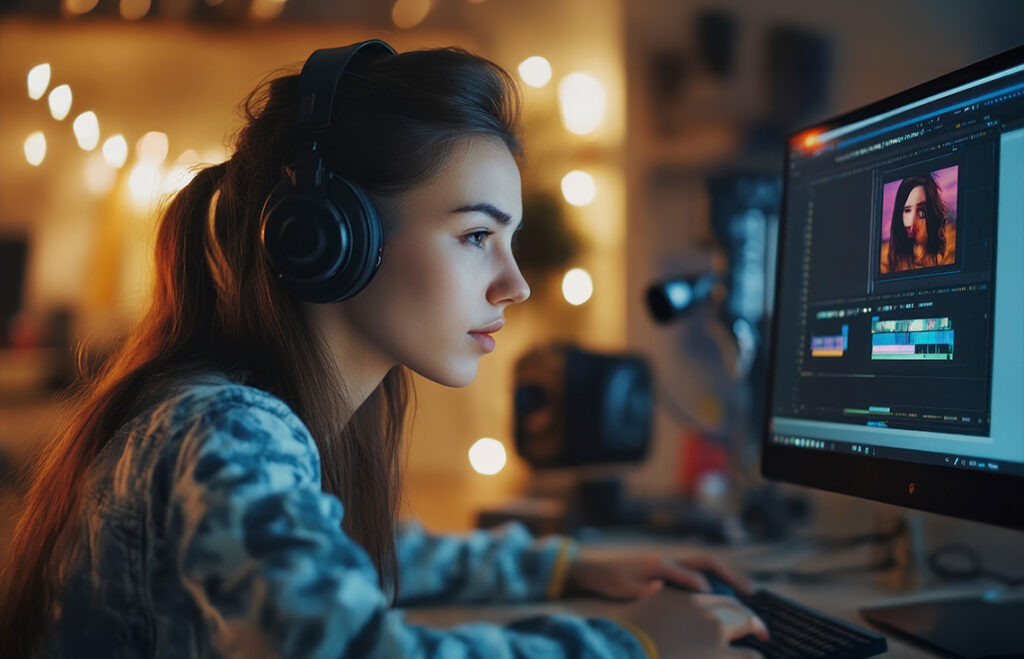
In the past, people making an AI video would use just one app or website for the entire project. If they chose an app like OpenAI’s Sora, they had to rely on it for everything, even if it wasn’t great at certain tasks.
Today, creators use a mix-and-match approach. No single AI tool is perfect at everything, so creators use different tools for different parts of the same video. Specialized websites now let users switch between different AI models smoothly without losing their place.
Here is what the top AI tools are best at right now:
- Movie-Style Views: OpenAI’s Sora is excellent at grand, cinematic camera movements and making people look highly realistic, though it is expensive to use.
- Realistic Physics: Platforms like Alibaba’s Wan 2.7 are great at showing how objects move and interact, such as water splashing or balls bouncing naturally.
- Perfect Lip-Syncing: An app called Kling leads the market in keeping faces steady and making sure a character’s lips perfectly match the spoken audio.
- Online Shopping Ads: Google’s Veo is heavily used by businesses to create quick product commercials because it is great at copy-pasting real product photos into an AI video.
Video Volume: Up To 840% Growth

AI video isn’t just a tech hobby anymore; it is a massive industry. Recent data shows that the total number of AI videos generated globally multiplied by more than eight times over the last two years.
Companies are adopting this technology rapidly because it saves money and time:
- Nearly 8 out of 10 marketing teams use AI videos for their advertisements.
- More than 70% of top global companies have built automated AI pipelines to generate daily content.
- Over 124 million people log in to use AI video generators every single month [Vivideo’s 2026 AI Video Trends Report].
- Vertical videos (the tall format used on TikTok and Instagram Reels) are now generated far more often than wide TV-style videos.
A single person using an AI video tool can now write a script, generate a voice, create matching video clips, and add captions in just a few minutes. What used to take a whole studio team a week to complete can now be done on a single laptop.
The Fight Over Streaming, Copyright, Data Compression and Creators Protection
Because millions of AI videos are being uploaded every day, internet data systems are under heavy strain. Sending high-quality video files across the internet requires massive bandwidth, which is causing a hidden tech war behind the scenes [MLex].
To keep the internet from slowing down, tech companies are inventing new AI software to shrink video files so they stream faster [MLex]. However, companies are now fighting fiercely in court to patent these shrinking methods [MLex]. Whoever wins these patents will control the digital pipelines through which future movies and videos are streamed online [MLex].
The other big legal battle is about how AI models are trained. To build an AI video generator, tech companies feed millions of real videos and paintings into their computers so the AI can learn what the world looks like. Content creators and artists argue that this is stealing their hard work without permission or pay.
The “AI Slop” Crisis, New Labels And The Law Strikes Back
The extreme speed of AI tools means anyone can create thousands of videos at the click of a button. This has led to a flood of low-quality content often called “AI slop.”
Social media algorithms are being flooded with cheap, auto-generated videos designed just to get clicks. This is especially prominent in children’s content on platforms like YouTube. Millions of views are going to bizarre AI-generated cartoons that feature confusing story lines and unsettling, twisted animations. Child experts warn that watching these chaotic, nonsensical clips can be overwhelming for young kids.
Furthermore, AI videos have become so realistic that bad actors are using them to create fake news clips and political propaganda to deceive voters online.
To fight this wave of fake content, governments are passing strict laws. The European Union has launched its landmark AI Act.
Under this new law, any AI-made video shown to the public must have an unchangeable digital stamp hidden in the file. Additionally, apps like Instagram and TikTok are legally required to place a clear warning label on any video that uses a deepfake face. If an AI company or social media app tries to hide an AI video, they face massive fines worth millions of dollars.
The Future of Video
As we move forward, AI video tools are caught between incredible usefulness and necessary safety boundaries. For small businesses and independent creators, these tools offer an amazing shortcut, allowing one person to act as a writer, director, and editor all at once.
However, the industry must now clean up its act by sorting out artist copyrights, fixing internet streaming issues, and making sure fake videos are clearly labeled. The technology is here to stay, and the world is now learning how to use it responsibly.