
The Growing Debate around AI and the Creative Industry
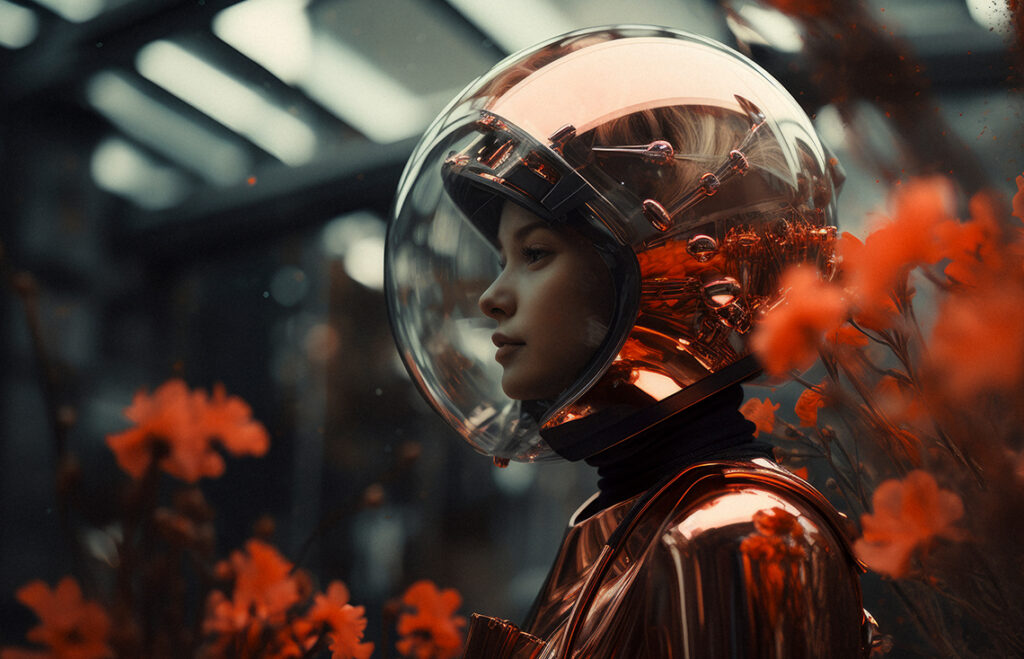
AI and the Creative Industry are rapidly transforming the way artists, designers, filmmakers, musicians, writers, and businesses create content. While some experts view artificial intelligence as a powerful tool that enhances human creativity, others warn about its potential impact on jobs, originality, and intellectual property rights. As AI technology continues to evolve, understanding both the opportunities and challenges will help creative professionals adapt to this changing landscape.
As AI capabilities continue to evolve, the conversation surrounding its role in creative industries has become increasingly complex. Understanding both the advocates’ and critics’ perspectives is essential to forming a balanced view of what the future may hold. More importantly, the reality of AI’s long-term impact likely lies somewhere between the optimistic promises and the dire warnings.
Understanding Generative AI
Generative AI refers to artificial intelligence systems capable of creating original content based on patterns learned from large datasets. These systems can generate text, images, music, video, code, and even interactive experiences. Popular tools have demonstrated how AI can produce outputs that closely resemble human-created work, often within seconds.
For creative professionals, this represents a dramatic shift. Tasks that once required hours or days of effort can now be completed in minutes. Marketing teams can generate advertising copy, designers can create concept art, filmmakers can produce storyboards, and businesses can develop content at unprecedented speed.
However, the rapid advancement of these technologies has also raised important questions about authorship, originality, ethics, and the future value of human creativity.
Advocates Believe AI Will Enhance Human Creativity
Supporters of generative AI often describe it as a powerful tool that enhances human creativity rather than replacing it. They argue that throughout history, technological innovations have consistently changed creative workflows without eliminating the need for creative professionals.
1. Increased Productivity and Efficiency
One of the strongest arguments in favor of AI and the Creative Industry is its ability to automate repetitive and time-consuming tasks. Creative professionals can use AI to generate initial drafts, brainstorm ideas, create mood boards, or produce multiple variations of a concept.
This allows creators to spend more time refining ideas, developing strategy, and focusing on higher-value creative decisions. Rather than replacing human creativity, AI can serve as an assistant that accelerates the creative process.
2. Lower Barriers to Entry
Generative AI also makes creative tools more accessible to individuals who may lack formal training or technical expertise. Small businesses, entrepreneurs, and independent creators can now produce professional-quality content without hiring large teams or investing heavily in expensive software.
This democratization of creativity enables more people to participate in creative industries, fostering innovation and allowing diverse voices to be heard.
3. Enhanced Innovation and Experimentation
Advocates believe AI can expand creative possibilities by helping artists and designers explore concepts they may not have considered otherwise. AI-generated outputs can serve as inspiration, offering unexpected combinations of styles, themes, and ideas.
In fields such as advertising, game development, and digital media, AI can accelerate experimentation and encourage creative risk-taking. By reducing the cost and time associated with prototyping, creators can test more ideas and discover new opportunities.
4. Economic Growth Opportunities
Supporters also argue that AI-driven productivity gains can create new markets, business models, and job categories. Just as the internet gave rise to digital marketing, social media management, and content creation careers, generative AI may generate entirely new professions centered around AI-assisted creative production.
Roles such as AI prompt engineering, AI content strategy, synthetic media production, and AI workflow design are already emerging in response to growing demand.
Critics Warn About the Risks of AI in Creative Fields
While the benefits of generative AI are significant, critics raise legitimate concerns about its impact on creative industries and society as a whole.
1. Intellectual Property and Copyright Issues
One of the most contentious issues involves the data used to train AI models. Many generative AI systems learn from vast collections of publicly available content, including artwork, photographs, articles, music, and videos created by human artists.
Critics argue that creators often receive no compensation or consent requests when their work is used in training datasets. This has led to legal disputes and ongoing debates about whether AI-generated content infringes upon intellectual property rights.
For many artists, the concern about AI and the Creative Industry is not merely legal but ethical. They question whether AI-generated works derived from existing human creations should be considered original.
2. Threats to Employment
Another major concern is the potential displacement of creative jobs. Tasks previously performed by copywriters, graphic designers, illustrators, voice actors, and video editors can increasingly be completed by AI tools at a fraction of the cost.
Businesses facing budget constraints may choose AI-generated content over hiring human professionals, particularly for routine or low-complexity projects. This could reduce opportunities for entry-level creatives and increase competition within already crowded industries.
Critics fear that while AI may create new jobs, the transition could be disruptive and uneven, leaving many workers struggling to adapt.
3. Decline in Artistic Authenticity
Many opponents argue that creativity involves more than producing technically competent outputs. Human art often reflects personal experiences, emotions, cultural contexts, and unique perspectives that AI cannot genuinely possess.
While AI can mimic artistic styles and generate impressive content, critics believe it lacks true intentionality and emotional depth. They worry that widespread reliance on AI-generated content could lead to a flood of generic, formulaic work that diminishes the value of authentic human expression.
4. Misinformation and Ethical Risks
Generative AI can also be used to create convincing fake images, videos, audio recordings, and written content. This capability raises concerns about misinformation, fraud, deepfakes, and manipulation.
In creative industries that rely on trust and credibility, the ability to generate realistic synthetic media presents significant ethical challenges. Without proper safeguards, AI-generated content may contribute to confusion and undermine public confidence in digital media.
The Reality: AI Is Unlikely to Replace Creativity Entirely
Despite the intense debate, the reality of AI’s future impact is likely more nuanced than either extreme viewpoint suggests.
Historically, technological advancements have transformed industries rather than completely eliminating them. Photography did not destroy painting. Digital publishing did not eliminate writers. Computer-aided design did not replace architects. Instead, these technologies changed workflows, shifted skill requirements, and created new opportunities.
Generative AI is expected to follow a similar pattern.
Routine creative tasks will likely become increasingly automated, allowing professionals to focus on strategy, storytelling, problem-solving, and relationship-building—areas where human judgment remains essential. Clients and audiences continue to value originality, authenticity, and emotional connection, qualities that are deeply rooted in human experience.
The most successful creatives in the coming years may not be those who resist AI entirely, nor those who rely on it exclusively. Instead, they will be individuals who learn how to integrate AI into their workflows effectively while maintaining their unique creative vision.
The Future of Human-AI Collaboration
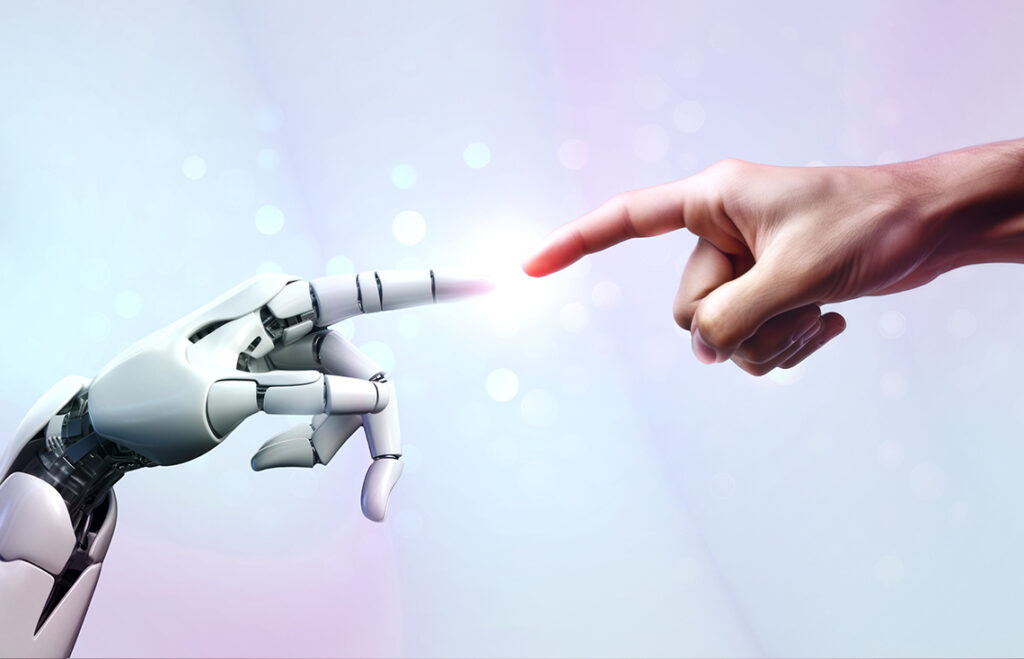
Moving forward, the relationship between AI and the Creative Industry will likely be defined by collaboration rather than competition. AI can generate ideas, accelerate production, and handle repetitive tasks, while humans provide direction, context, ethics, and meaning.
Governments, technology companies, industry organizations, and creators will also need to work together to establish clear guidelines regarding copyright, transparency, compensation, and responsible AI usage. Addressing these concerns will be essential to ensuring that innovation benefits both technology developers and creative professionals.
What the Future Holds for AI and the Creative Industry
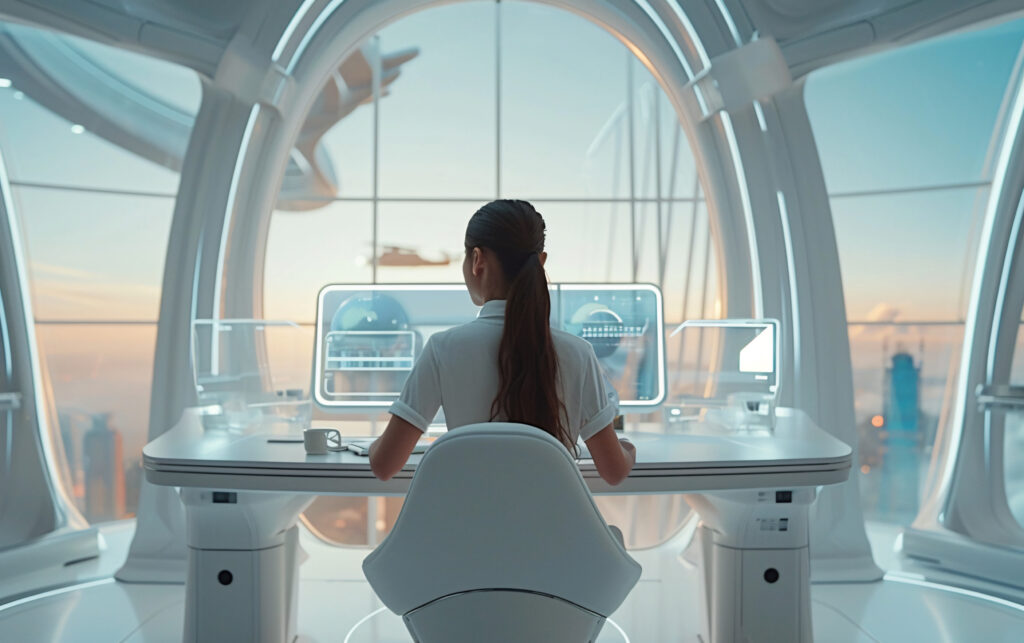
Generative AI represents both an extraordinary opportunity and a significant challenge for the creative industry. Advocates see a future of increased productivity, accessibility, and innovation, while critics warn of copyright disputes, job displacement, and the erosion of artistic authenticity. Both perspectives contain valid concerns and valuable insights.
The reality is that AI is unlikely to replace human creativity entirely. Instead, it will reshape how creative work is produced, distributed, and consumed. As AI and the Creative Industry continues to mature together, the future of creativity will depend not on choosing between humans or machines, but on finding effective ways for both to work together. Those who embrace adaptation, develop new skills, and focus on uniquely human strengths will be best positioned to thrive in the evolving creative landscape.